Recommended care and available care are not the same thing
This is not only about me. It is about how transgender and intersex people are quietly left without healthcare that professionals have already said they need.
- 1 in 100
- People born with intersex traits worldwide
- Excluded
- Most medical schemes class this care as cosmetic
- Legal right
- Recognised in law, with no funded route to it
- Highest risk
- Violence rates faced by transgender women here
The reality for intersex and transgender people in South Africa
South Africa has one of the most progressive constitutions in the world. Section 9 of the Bill of Rights prohibits unfair discrimination on the grounds of sex, gender and sexual orientation, and intersex people are expressly included in the definition of “sex” under the Promotion of Equality and Prevention of Unfair Discrimination Act. On paper, my care is a right.
In practice, that right has almost nowhere to land. Gender-affirming surgery is available in the public health system at only a small number of hospitals nationally, and the waiting lists there are measured in years, not months. Most private medical schemes classify the same procedures as cosmetic and exclude them outright, which leaves the full cost with the patient. Intersex people are rarely accounted for at all: interventions are often performed in infancy without the person’s participation, while the corrective care they need as adults is treated as elective.
Alongside that sits the everyday reality of being visibly gender-diverse here: refusals of service, hostile clinical encounters, discrimination in hiring, and a level of violence against transgender women that makes stability hard to build. Those barriers compound. Being excluded from steady work is exactly what makes privately funded surgery unreachable, and the delay in care is exactly what keeps the distress going.
That is the gap this fundraiser sits in: a legal right with no funded route to it, for a person the system has already assessed and agreed needs treatment.
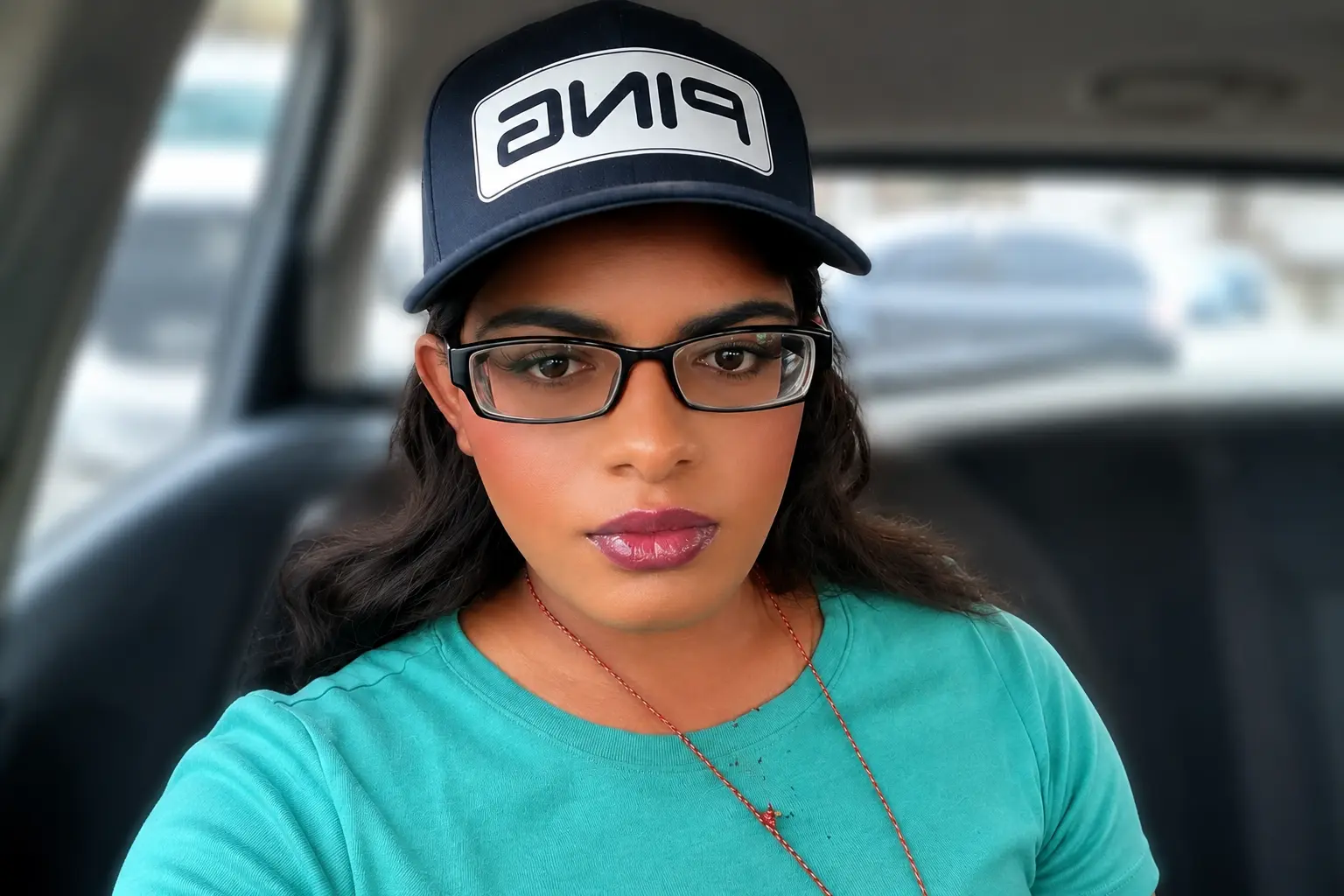
A recommendation that led nowhere
Over several years I followed every recognised medical pathway. The professionals who assessed and treated me concluded that gender-affirming surgery was medically necessary and would have a significant positive impact on my wellbeing.
Despite that, I could not obtain funding or access to the recommended treatment. That gap between what is recommended and what is available is where a lot of transgender and intersex people are left standing, sometimes for years.
If this fund works, it does two things. It gets me to the treatment I was recommended, and it puts one more account on the record of what these barriers actually cost.
What the barriers actually cost
Health
Barriers to recommended treatment prolong distress and dysphoria instead of resolving them. The delay itself becomes part of the harm.
Work and income
Discrimination and exclusion affect employment and stability, which is precisely why the cost of private care becomes impossible to meet.
Safety and dignity
The cumulative effect of unequal treatment is being unable to live openly and safely, on an equal basis with others.
The questions people ask me
- Why is this not funded, if doctors recommended it?
- Because a recommendation from treating professionals and access to funding are two different things. I completed psychological assessments, specialist consultations and multidisciplinary review, and the conclusion was that gender-affirming surgery is medically necessary for me. I was still unable to obtain funding or access to that treatment.
- Is this cosmetic?
- No. This fundraiser is not about cosmetic treatment or personal preference. It is about accessing healthcare that has been recommended by qualified medical professionals as medically necessary for my health, wellbeing and quality of life.
- What does being intersex have to do with it?
- As an intersex person, I did not have the opportunity to fully participate in decisions about my body and medical care while growing up. Interventions and decisions made then contributed to lasting distress and made it harder, not easier, to access appropriate care as an adult.
- Where does my money go?
- Surgical fees, anaesthesia, the hospital stay, recovery care, follow up appointments and related medical expenses. Nothing goes to advertising, admin or anything outside my care. Every invoice is published on the updates page as it is paid.
- What happens if you raise more than you need?
- The surplus goes to other transgender and intersex people who have been refused the same care. I know exactly what it is to be the person left waiting.
- Can I give another way?
- Yes. Email me and I will send you a direct option. Sharing this page is also worth more than most people realise.
If any of this made you pause, that pause is the whole reason this page exists.
Turn it into something